
Some young people find mainstream school a struggle. Noise, pressure, busy classrooms and constant demands can make learning feel out of reach. AMHI Outdoors AP offers them a calmer space to learn.
Sessions are led by qualified angling coaches at venues in and around Mid Sussex. Fishing is the hook. It slows things down, builds focus and patience, and gives young people a genuine sense of achievement. Alongside it, we help them develop communication, confidence, wellbeing and practical skills.
Students can work towards recognised qualifications and awards, including the Angling Trust CAST Award, AMHI’s own modular training and NOCN angling courses.
AMHI Outdoors AP is delivered by the Angling and Mental Health Initiative CIC, which has been using angling to support wellbeing since 2021.
We support young people in Key Stages 2, 3 and 4 (ages 7 to 16) who may be:
Struggling to attend school, including emotionally based school avoidance
At risk of exclusion, or returning after a period out of education
Living with SEND, including autism and ADHD
Experiencing SEMH needs such as anxiety, low mood or difficulty regulating emotions
Disengaged from learning and in need of a fresh start
Benefiting from a smaller setting, with one-to-one or small-group support
A calm welcome, a check-in on how the young person is feeling, and a plan for the session.
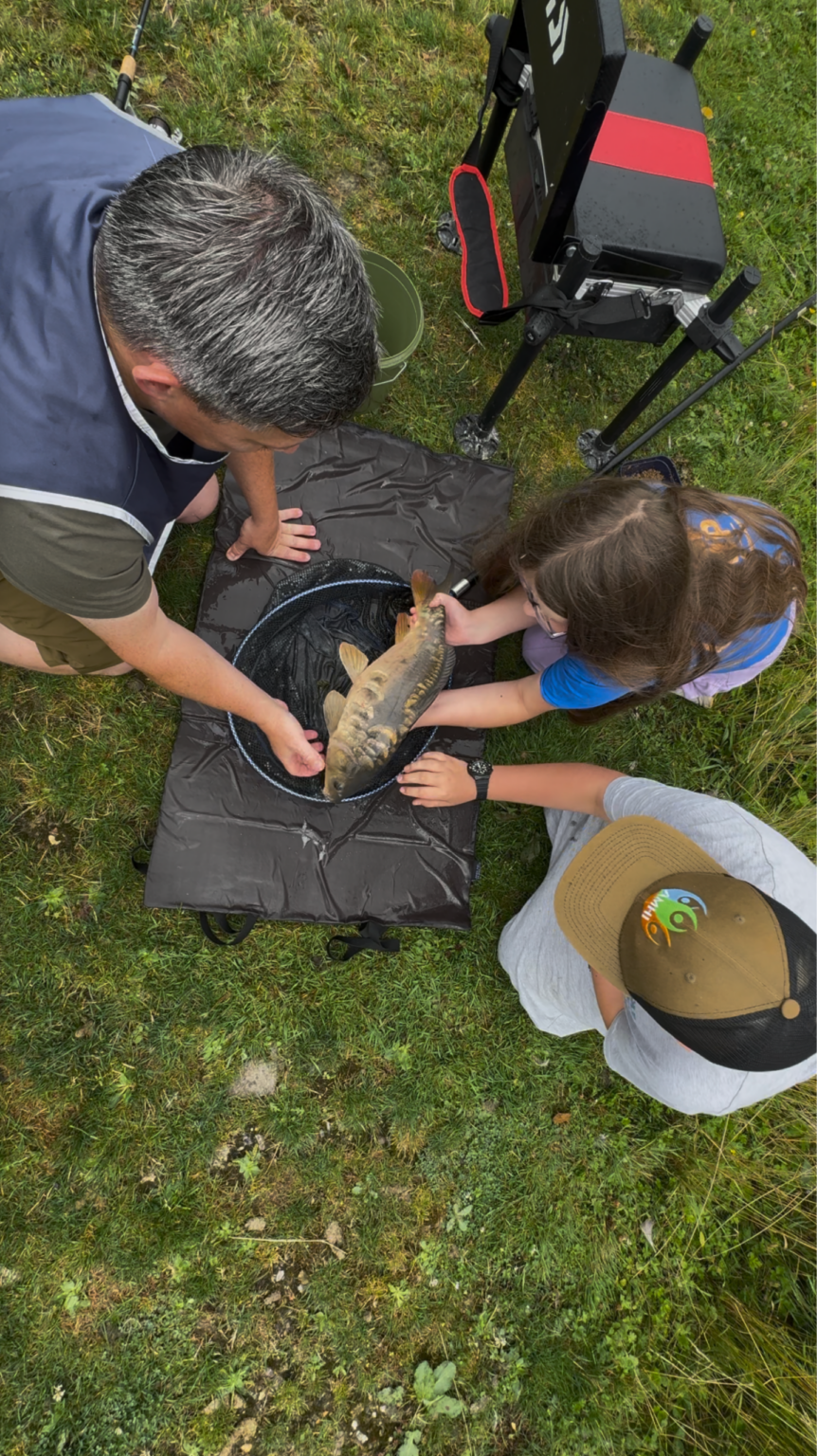
Practical angling skills: setting up, casting, bait, watercraft and fish care, taught at the young person's pace.
Quiet, focused fishing time, which gives natural space for conversation, reflection and regulation.
A short review of what went well and what was achieved. We log progress after every session.
Sessions are from 3 to 5 hours, on weekdays, one-to-one or in small groups.
Recognised progress
Young people can work towards the Angling Trust CAST Award alongside AMHI’s own modular training, so progress is structured, recorded and recognised.
Safeguarding and compliance
How we keep you informed
Copies of our policies, risk assessments, insurance certificates and a letter of assurance are available on request.
Making a referral
Pricing
Placements and pricing
Every placement is tailored to the young person, so we price on enquiry. Costs depend on session length, frequency and whether support is one-to-one or small group.
No. We start from wherever they are, and all equipment is provided.
Weather-appropriate clothing, sturdy footwear, a packed lunch/snack and a drink. All fishing equipment and bait is provided.
We have brollies and a bivvy (like a large fishing tent) we can put up on site for shelter. Sessions are only cancelled if conditions are unsafe, and the school will be told as early as possible.
Yes. Every session follows our site risk assessment, staff are first-aid trained, and water safety is part of what young people learn.
Yes, by arrangement and with agreement from the school or academy DSL.
That’s agreed with the school. It can range from a short-term intervention to a longer-term placement, reviewed regularly.
If you’re working with a young person who might thrive outdoors, we’d love to hear from you.